How to Belay: A Beginner's Guide
Belaying is how one climber protects another. It is the first real responsibility you take on in roped climbing, and it is simpler than it looks once someone shows you the basics. This guide explains the idea. Always learn the hands on skill from a qualified instructor before you belay for real.
Get the weekly climbing briefing
One curated email a week with the climbing news, sends and gear worth your time.
Free. Weekly. Unsubscribe anytime.
What belaying actually is
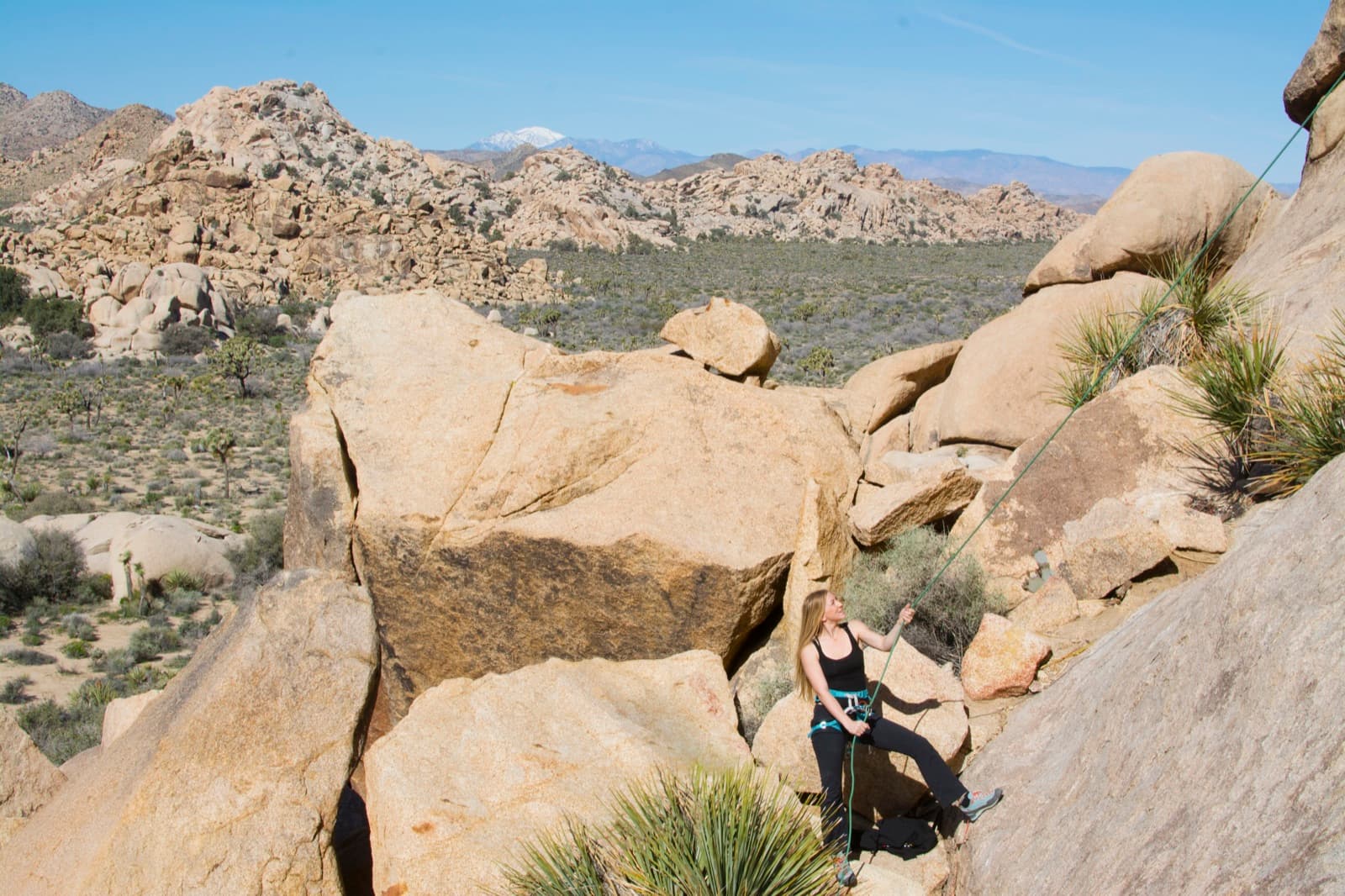
When one person climbs, the other manages the rope so that a fall is caught safely. That second person is the belayer. Using a small friction tool called a belay device, the belayer can hold the climber's weight with very little effort, feed out rope as the climber moves up, and take in rope as they come down. The whole system turns a dangerous fall into a gentle stop.
The gear involved
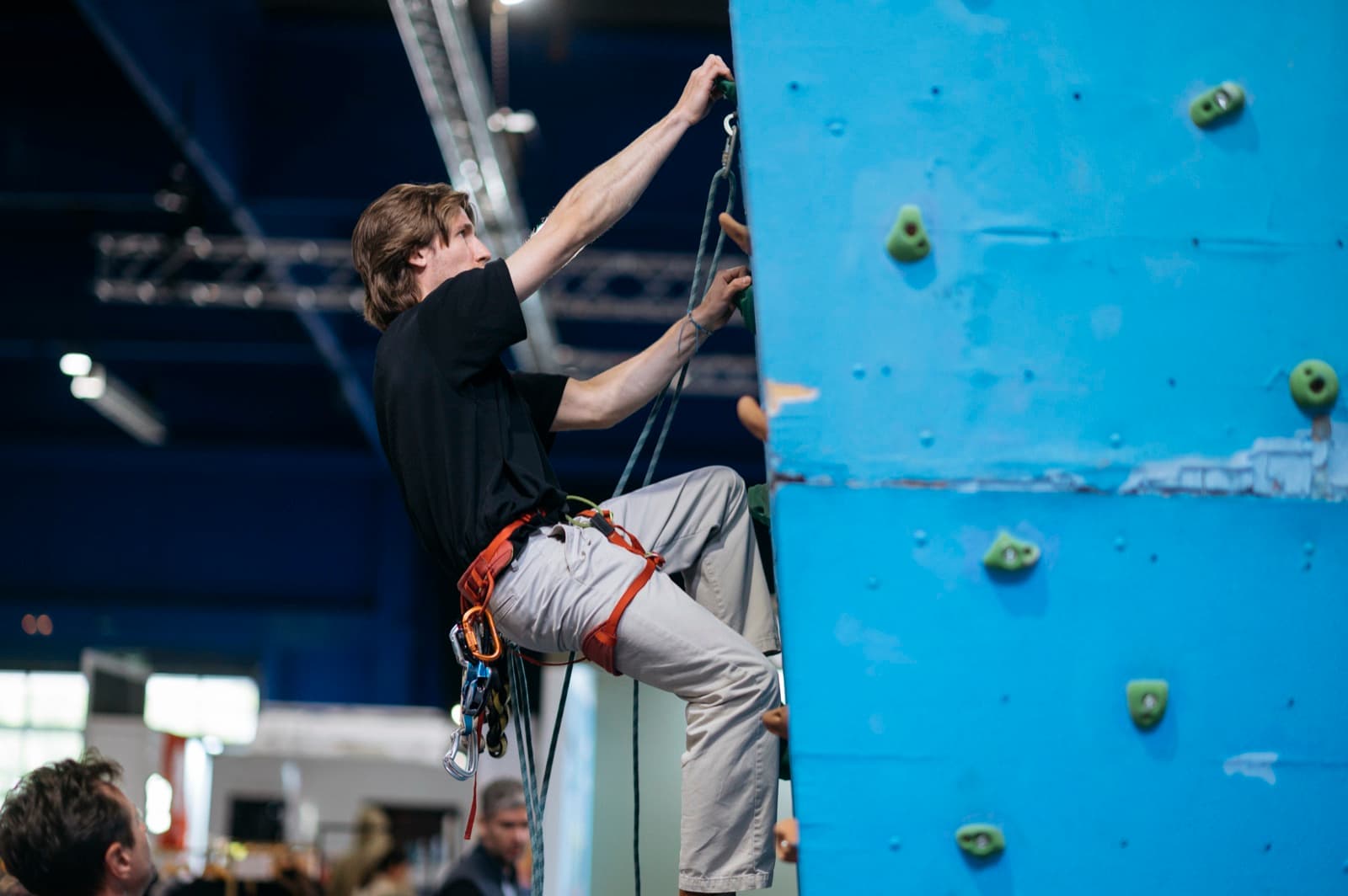
- A harness on both the climber and the belayer.
- A belay device, which adds friction to the rope.
- A locking carabiner that connects the device to the belayer's harness.
- A rope, tied to the climber with a figure eight knot.
The core idea: never let go
Every belay method rests on one rule. The hand that holds the rope below the device, called the brake hand, never leaves the rope. That braking position is what actually catches a fall. Everything else, all the feeding and taking in of rope, is done around that constant. If you remember nothing else, remember that the brake hand stays on.
The basic sequence
Most gyms teach a simple method, often remembered as pull, brake, under, slide. In plain terms it works like this.
- Pull rope through the device as the climber moves up.
- Bring the brake hand down to lock the rope off.
- Slide your other hand under to reset your grip.
- Return your hands and repeat, keeping the brake hand on the rope the whole time.
Being a good partner
- Watch your climber, not your phone. Attention is part of the job.
- Communicate with clear calls so you both know what happens next.
- Keep only a little slack in the system so a fall stays short.
- Check each other before every climb: harness, knot and device.
Learn it in person
Reading about belaying is a fine start, but belaying safely is a physical skill with real consequences. Take a belay class at your local gym, get checked and certified, and practise under supervision before you hold anyone's rope. Once you have it, you are ready for a whole new side of the sport. Our guide on the types of climbing shows where roped climbing can take you, and the Climbers Delight newsletter keeps you inspired along the way.
Enjoyed this guide? Get the weekly briefing.
One curated email a week with the climbing news, sends and gear worth your time.
Free. Weekly. Unsubscribe anytime.