Types of Rock Climbing Explained: Bouldering, Sport, Trad and More
Rock climbing is not one sport but a whole family of them. They share the same rock and a lot of the same movement, yet the gear, the risk and the feel change a great deal from one to the next. Here is how the main types fit together.
Get the weekly climbing briefing
One curated email a week with the climbing news, sends and gear worth your time.
Free. Weekly. Unsubscribe anytime.
Bouldering
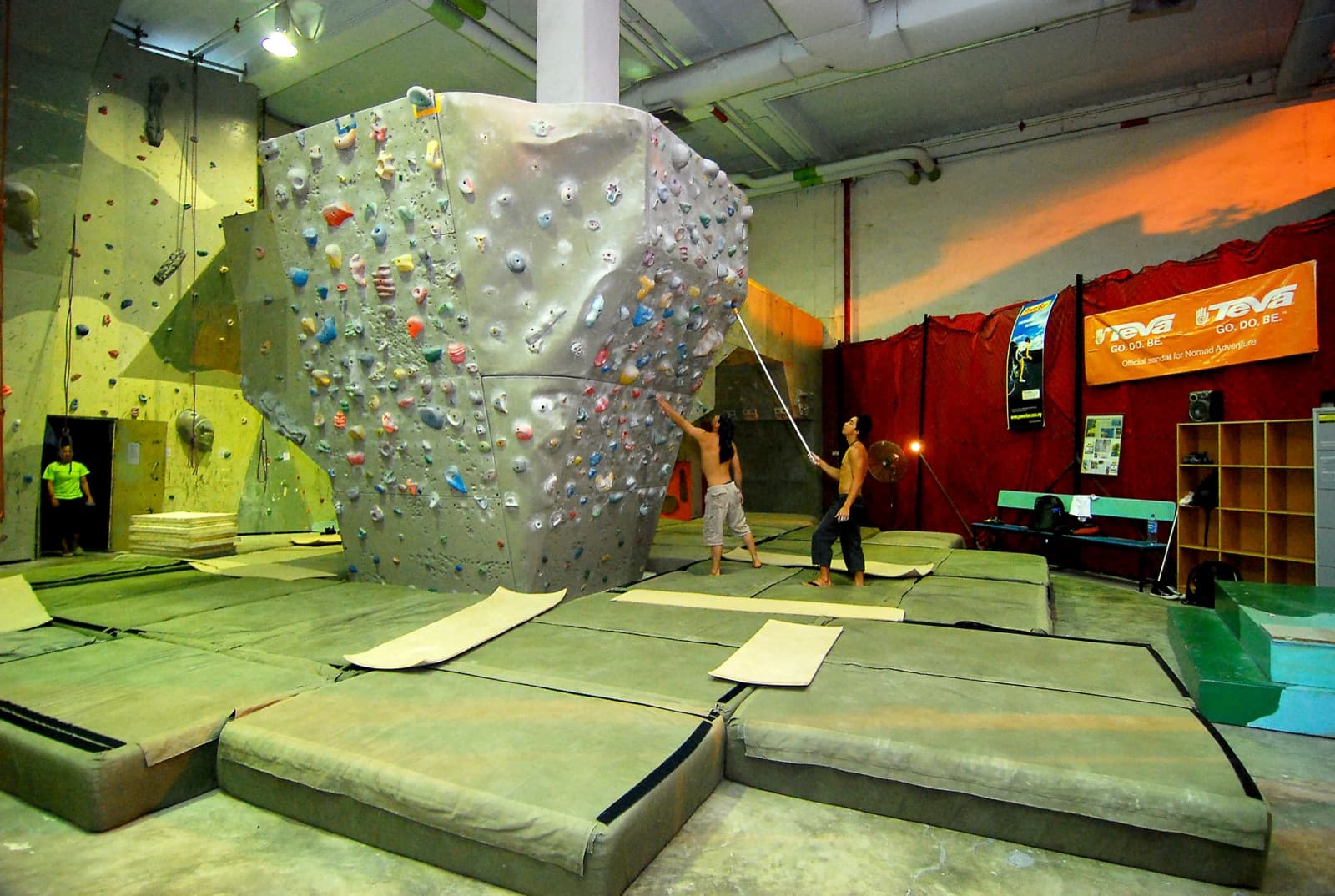
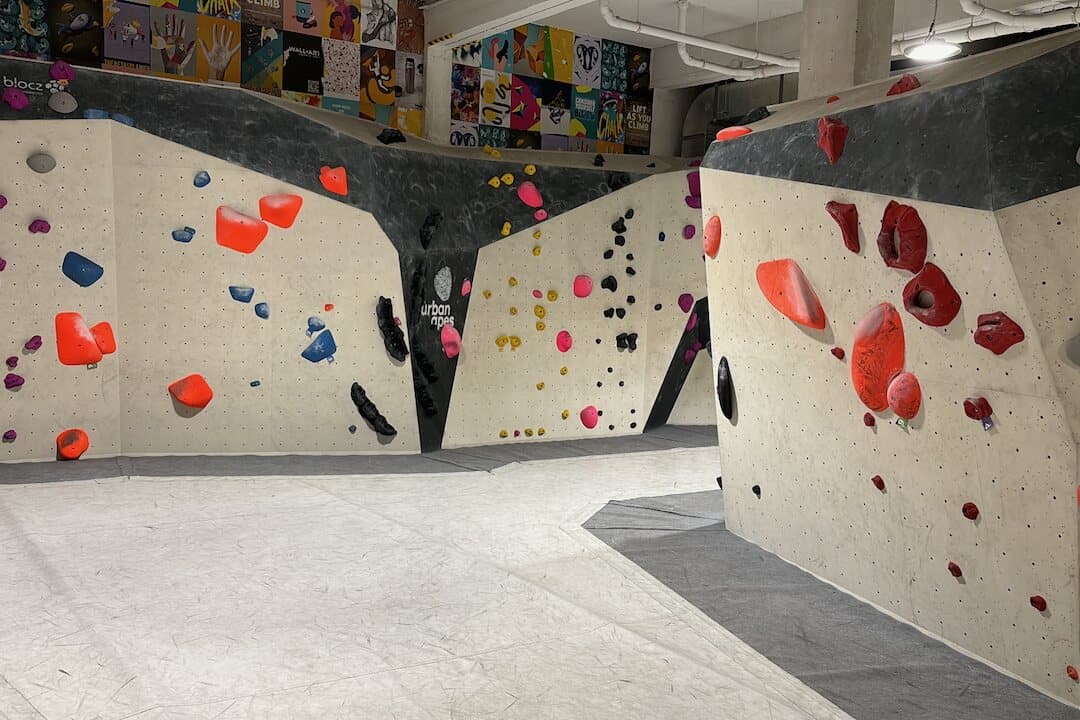
Bouldering is climbing short, hard problems close to the ground without a rope, protected by foam mats. It is the easiest way to start because you need almost no gear and no partner. What it asks for is power and clever movement over short bursts.
Top rope climbing
On top rope the rope runs from you, up to an anchor at the top of the route, and back down to a partner who holds the other end. If you slip, the rope catches you almost immediately, so this is the gentlest way to climb high walls. Most people meet top roping on their first visit to a climbing gym.
Sport climbing
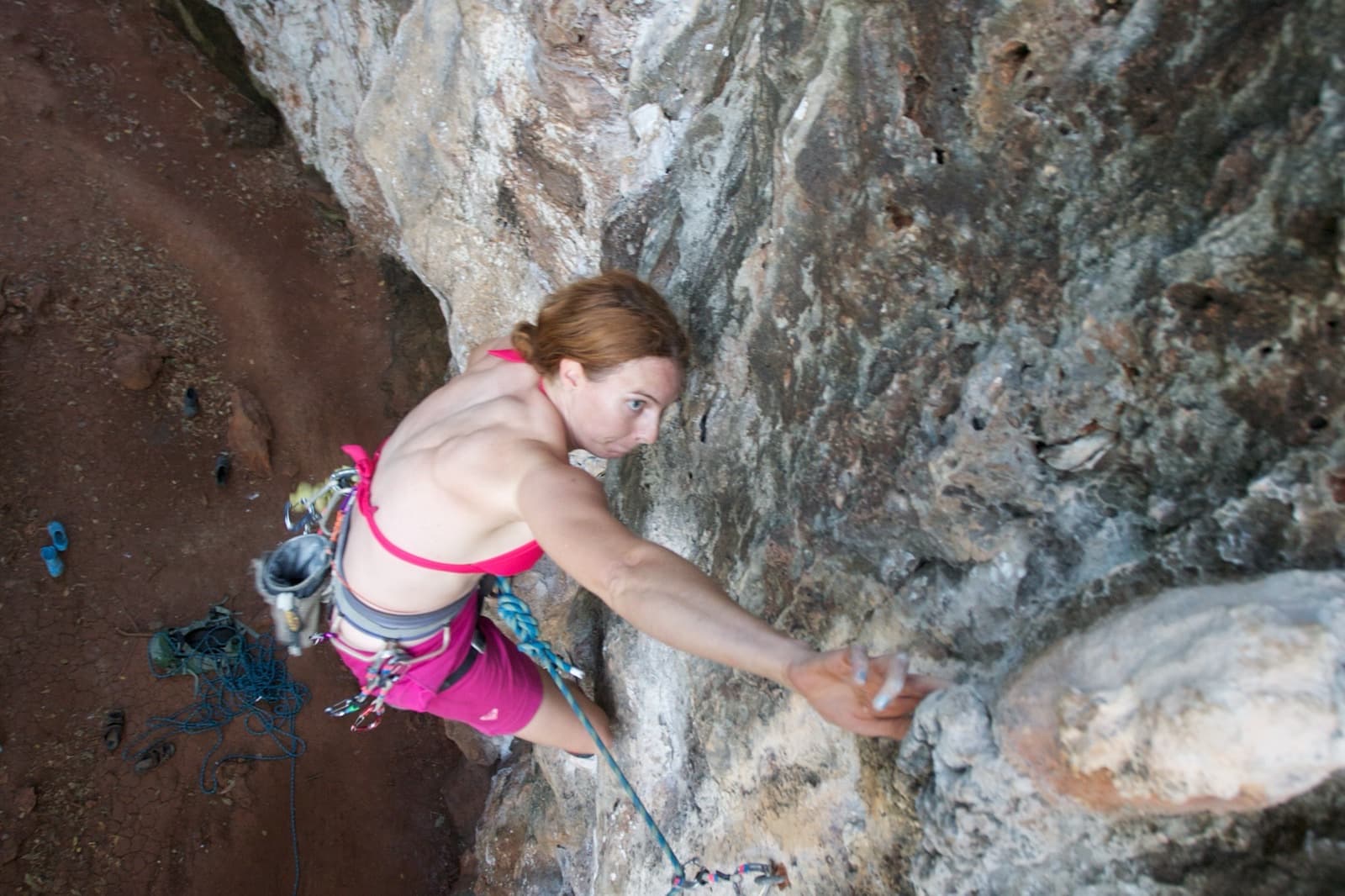
Sport climbing means leading a route while clipping your rope into bolts that are already fixed into the rock. You climb above your last clip, so a fall is longer than on top rope, but the bolts make the protection reliable. Sport climbing rewards endurance and the confidence to keep moving when your arms are tired.
Traditional climbing
Traditional climbing, usually shortened to trad, is like sport climbing except that you place your own protection into cracks and pockets as you go, and remove it afterward. Nothing is fixed to the rock. It asks for a cool head and a good eye, and it is how climbers reach many of the most beautiful lines in the world. If you are weighing the two, here is trad versus sport climbing side by side.
Free solo and other styles
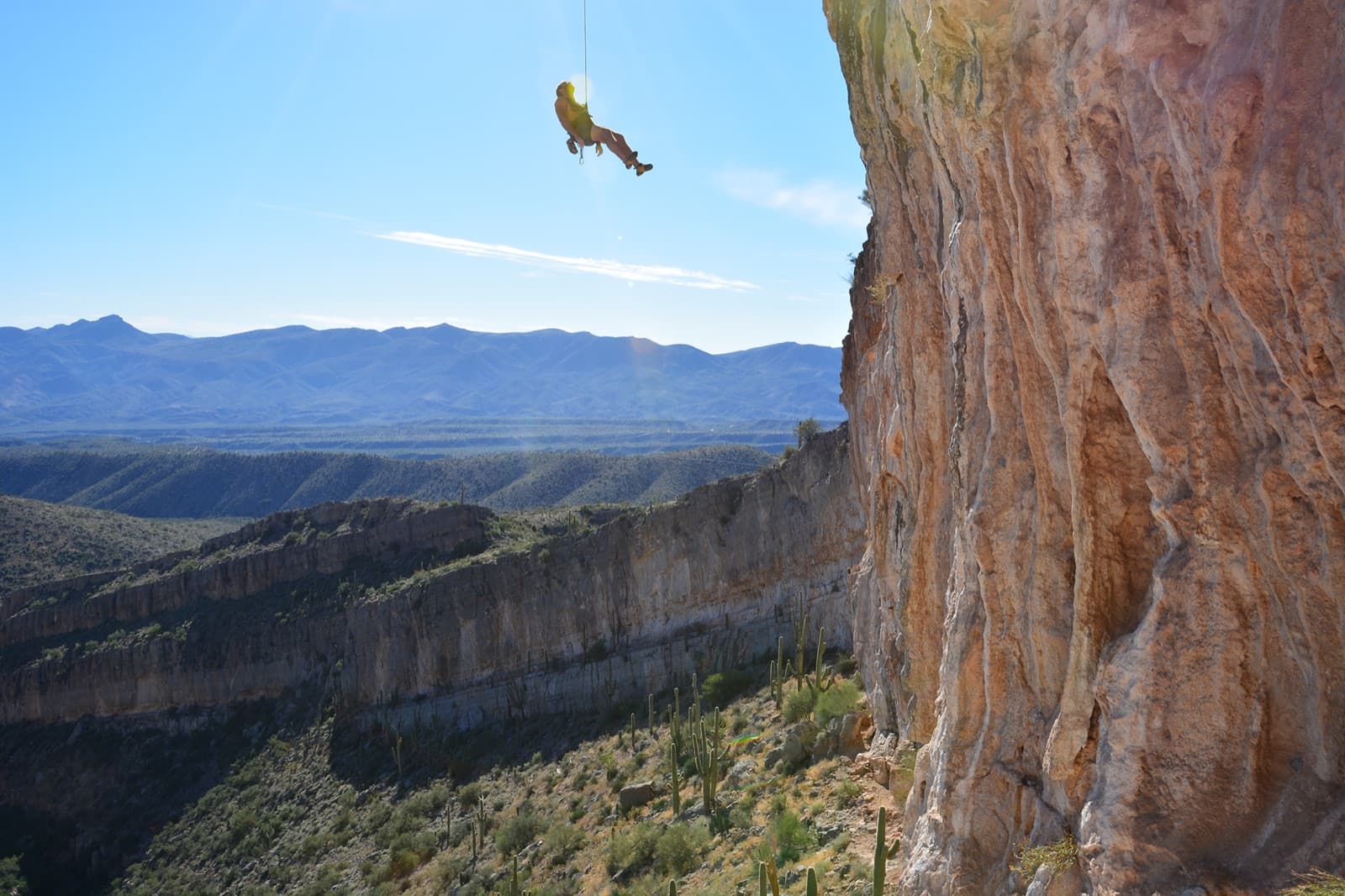
Free soloing is climbing with no rope and no protection at all, where a fall would be serious or even fatal. It is rare, extreme and not something to drift into. Beyond these you will hear about multi pitch climbing, where a long route is split into stages, and about alpine and big wall climbing, which combine several styles across a whole mountain or cliff over many hours or even days.
Which one should you start with?
Most climbers begin indoors with bouldering or top roping, because both are safe, social and need very little gear. From there you can move outdoors, learn to lead on bolts, and later try placing your own protection. There is no single right path. Try a few styles and follow the one that keeps pulling you back.
New to all of it? Start with our guide to bouldering for beginners, and let the Climbers Delight newsletter keep you posted on the best climbs across every one of these styles.
Enjoyed this guide? Get the weekly briefing.
One curated email a week with the climbing news, sends and gear worth your time.
Free. Weekly. Unsubscribe anytime.