When to Resole Climbing Shoes (and When to Replace Them)
Climbing shoes wear out at the toe long before the rest of the shoe gives up. Resoling brings them back for a fraction of the price of a new pair, as long as you catch it in time. Here is how to know when to resole, when to let go, and how the whole thing works.
Get the weekly climbing briefing
One curated email a week with the climbing news, sends and gear worth your time.
Free. Weekly. Unsubscribe anytime.
Why resoling is worth it
A resole costs a fraction of a new pair, and it keeps a shoe you have already broken in and that fits your foot. The upper, the leather or synthetic part that wraps your foot, usually outlasts the sole by a long way. That is why resoling is completely normal among regular climbers rather than a last resort. Once a pair fits you well, you can keep it going through several resoles.
The one rule: catch it before the rand goes
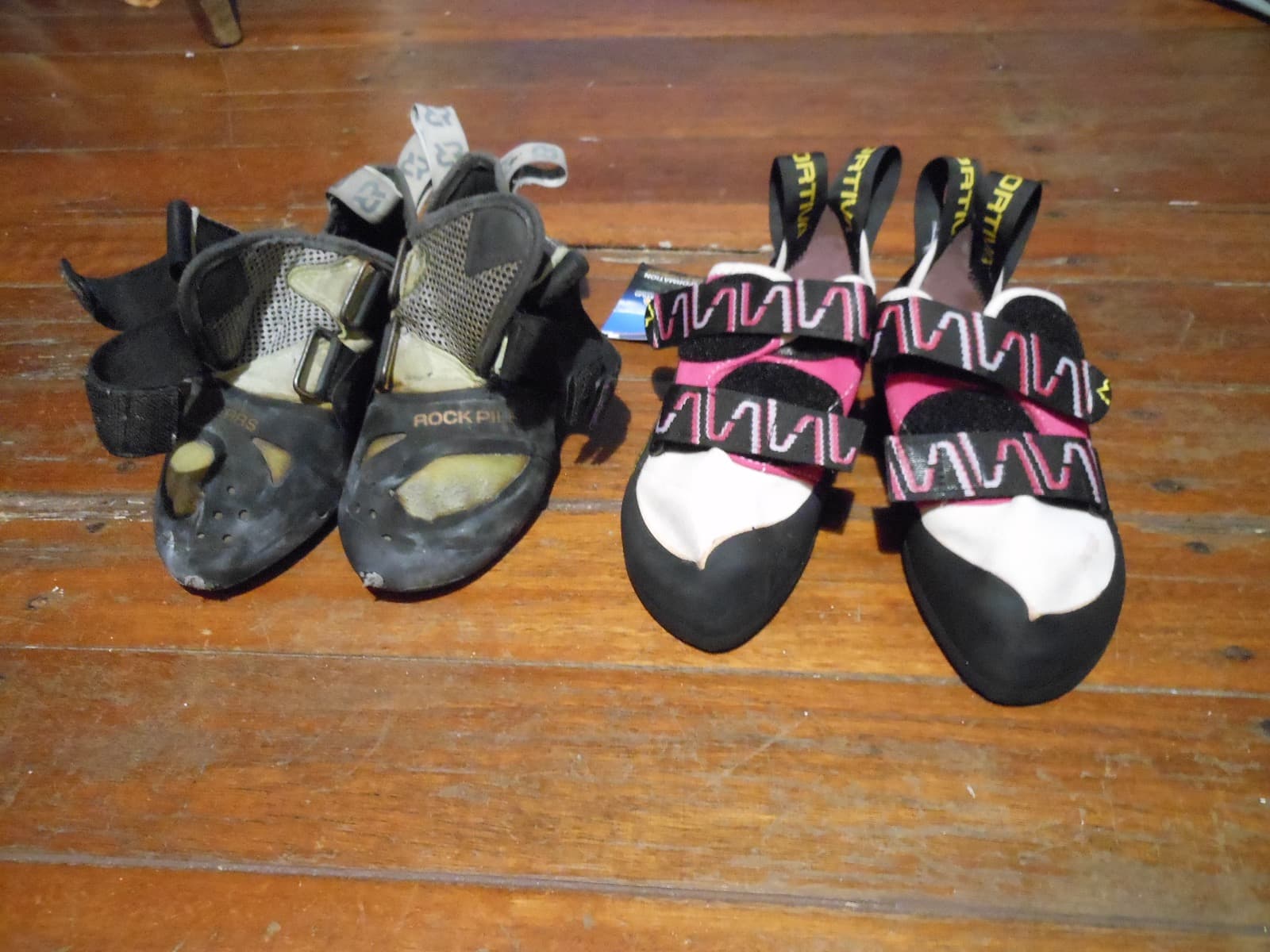
The sole is the flat rubber under your foot. The rand is the thin band of rubber that wraps around the toe. As long as you only wear through the sole, a resole is a simple, cheap half sole. Once you wear through the rand into the leather, which is that little hole right at the point of the toe, the resoler has to rebuild the toe first, and that costs more. So the moment you notice a thin, shiny patch at the toe, book the resole. Do not wait for the hole to appear.
Signs it is time to resole
- The rubber at the toe looks thin, smooth and shiny, and your feet slip where they used to stick.
- A lighter midsole colour is starting to show through the outer rubber.
- There is a soft or worn spot right at the point of the big toe, where most of your edging happens.
If there is already a hole through to the leather, do not panic. The shoe can almost always still be saved, you just ask for a toe or rand repair on top of the resole.
Resole or replace?
Resole if the upper is still in good shape, the shoe genuinely fits you, and it has not already been resoled several times. Replace it if the upper is splitting or delaminating, if the shoe never really fit in the first place, or if you have simply outgrown its style and want something different. When you are unsure, a good resoler will tell you honestly whether a shoe is worth saving before they do the work.
How resoling actually works
- Half sole: the resoler replaces just the front section of rubber under the toes. This is the most common and cheapest option, and it keeps the shoe's original shape and stiffness.
- Full sole: the whole length of rubber is replaced. This is needed less often, usually when wear runs the full length of the sole.
- Toe or rand repair: an extra patch of rubber rebuilds the toe when you have worn through the rand. Add this only when there is a hole, not just thin rubber.
Where to get shoes resoled
You send climbing shoes to a dedicated resoler, not to the brand that made them. Most brands do not resole in house, and shipping a pair across the world is almost never necessary. Search for a climbing shoe resoler in your own country or region, post your shoes to them, and you usually get them back within a couple of weeks. If you care about a particular rubber compound, just ask which ones they offer.
One more thing that worries people: unusual or one piece constructions can still almost always be resoled by an experienced resoler. A shoe that looks different from the inside is rarely a lost cause, so it is always worth asking before you write it off.
Make each pair last longer
- Take your shoes off between climbs and boulder attempts instead of walking around in them, which grinds the toe rubber on the floor.
- Use your feet with precision. Dragging and scuffing wears rubber far faster than clean, deliberate edging.
- Keep them out of hot cars and direct sun, which hardens and cracks the rubber.
- Let them air out and dry fully after every session.
- If you climb a lot, rotate two pairs so each one wears more slowly.
Looking after a good pair is half the battle. For picking the right shoes in the first place, see our guide on how to choose your first climbing shoes, check any unfamiliar terms in the glossary, and get gear notes and climbing stories every week from the Climbers Delight newsletter.
Enjoyed this guide? Get the weekly briefing.
One curated email a week with the climbing news, sends and gear worth your time.
Free. Weekly. Unsubscribe anytime.