How to Train for Climbing as a Beginner
For your first months, the best training for climbing is simply climbing. Once you have a base, a little structure helps you improve faster and stay injury free. Here is how to think about training as a beginner.
Get the weekly climbing briefing
One curated email a week with the climbing news, sends and gear worth your time.
Free. Weekly. Unsubscribe anytime.

First, just climb
It is tempting to chase hangboards and workouts straight away, but as a beginner your body improves fastest from time on the wall. Climbing two or three times a week trains your muscles, your grip and your movement all at once. For the first few months, that is your whole training plan, and it works.
Warm up every time
A proper warm up is the cheapest injury insurance there is. Start with a few minutes of easy movement, then climb well below your limit before you try anything hard. Your fingers, shoulders and elbows all need a gentle start.
Train movement, not just muscle
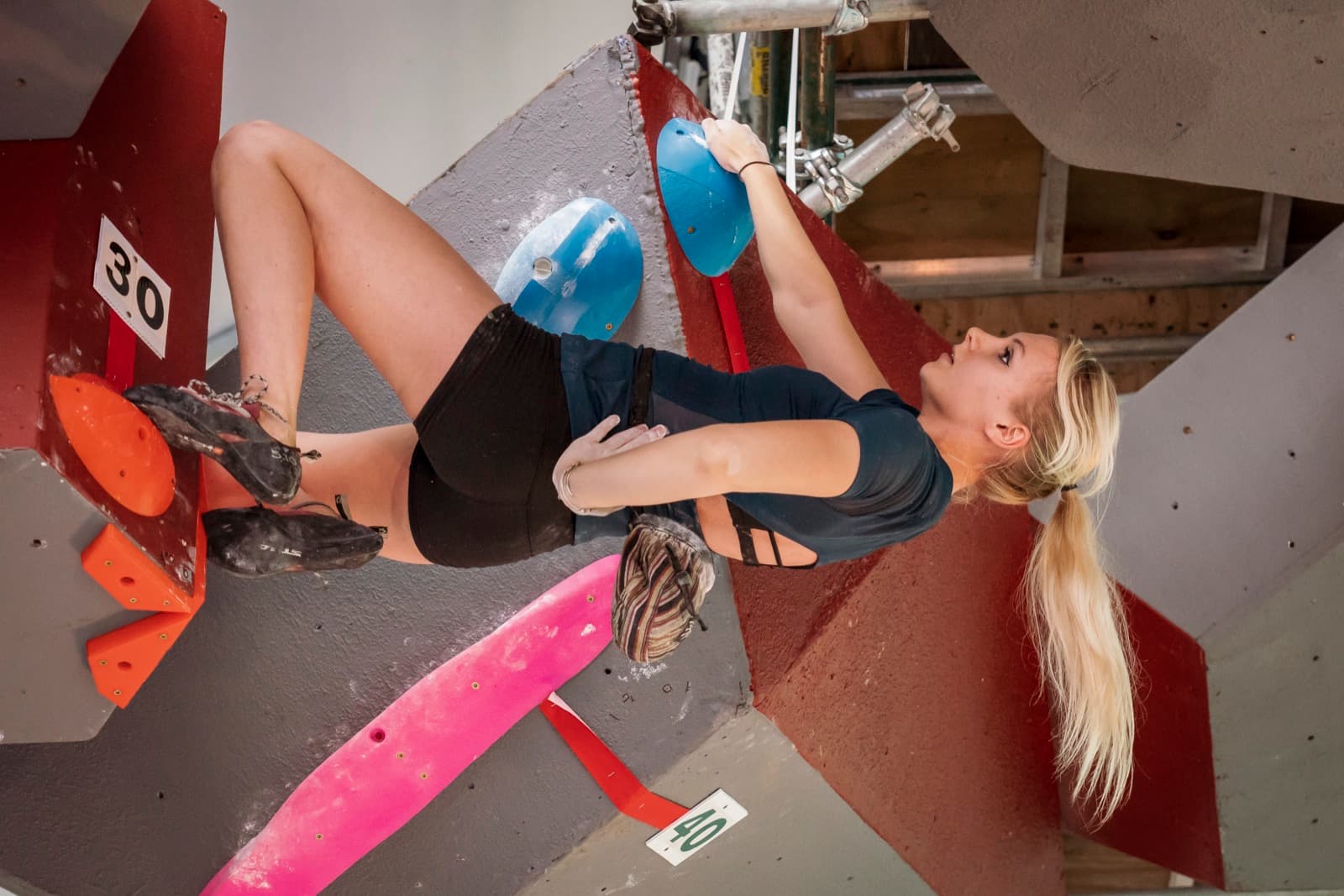
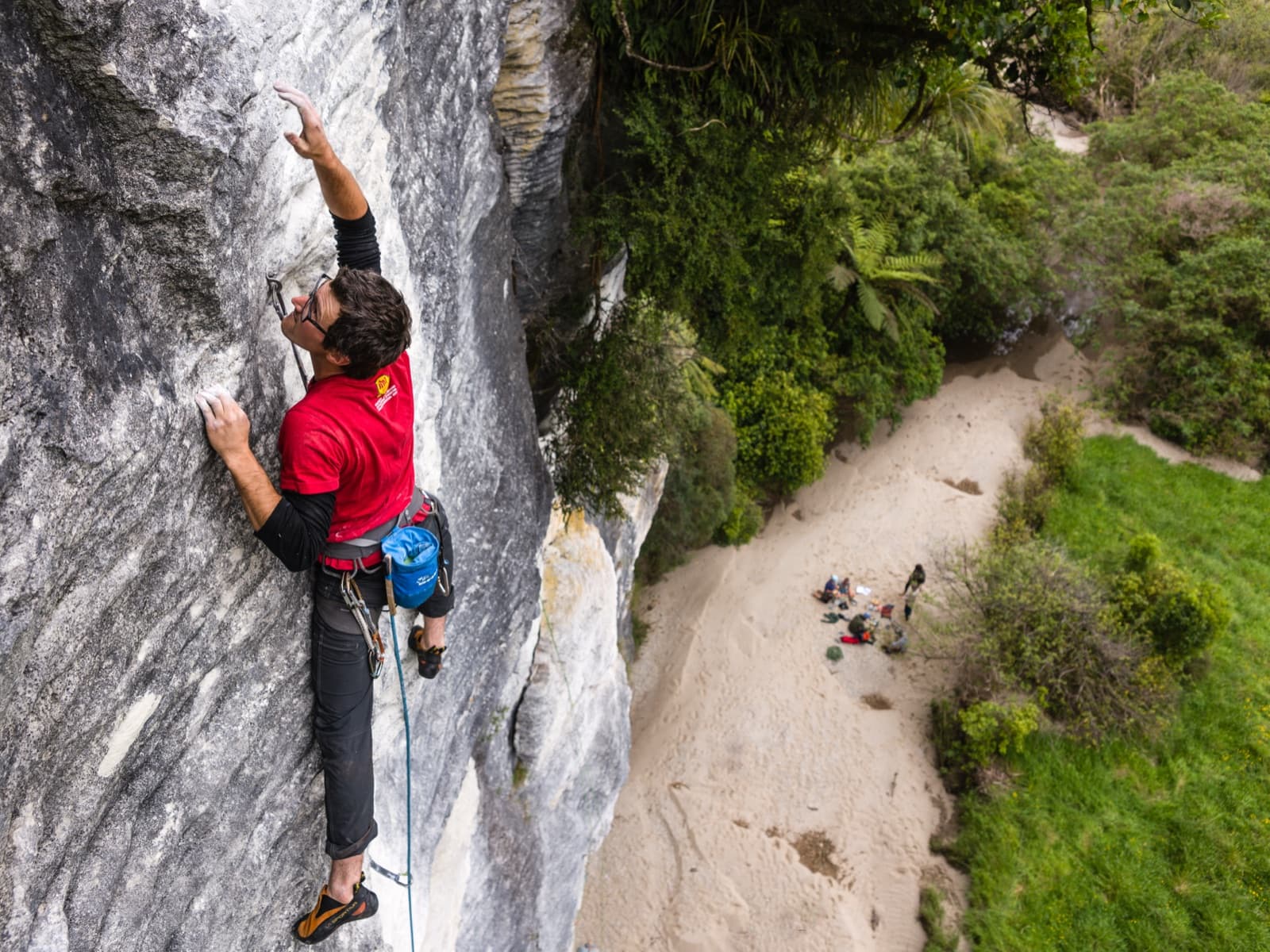
Good climbers are not just strong, they move well. Spend part of each session practising technique on easy routes: quiet feet, straight arms, and pushing with your legs. Clean movement saves energy and protects your fingers, and it improves faster than raw strength. If the vocabulary trips you up, our climbing glossary has you covered.
When to add strength work
Once you have climbed steadily for several months and feel comfortable on the wall, you can add a little targeted training. Pull ups, core work and easy antagonist exercises like press ups keep your body balanced. Hangboarding, where you hang from small edges to build finger strength, is powerful but hard on young tendons, so leave it until you have at least a year of climbing behind you.
Rest is part of training
- Take at least one full rest day between hard climbing sessions.
- Sleep and food do more for progress than any extra workout.
- Back off at the first sign of finger or elbow pain. Small niggles become long injuries if you push through them.
A simple weekly shape
A realistic beginner week might be two or three climbing sessions with a rest day between each, a warm up every time, and ten minutes of easy core or mobility work on the side. That is more than enough to improve for a long time. When you are ready for more structure, add strength work slowly and keep climbing at the centre of it. New to all of this? Start with our guide to bouldering for beginners, and the Climbers Delight newsletter keeps the motivation coming every week.
Enjoyed this guide? Get the weekly briefing.
One curated email a week with the climbing news, sends and gear worth your time.
Free. Weekly. Unsubscribe anytime.