Bouldering for Beginners: How to Start Climbing Without Ropes
Bouldering is the simplest way into climbing. No ropes, no partner, no harness, just you, a wall, and a crash pad. Here is everything you need to walk into a gym and start climbing today.
Get the weekly climbing briefing
One curated email a week with the climbing news, sends and gear worth your time.
Free. Weekly. Unsubscribe anytime.
What is bouldering?
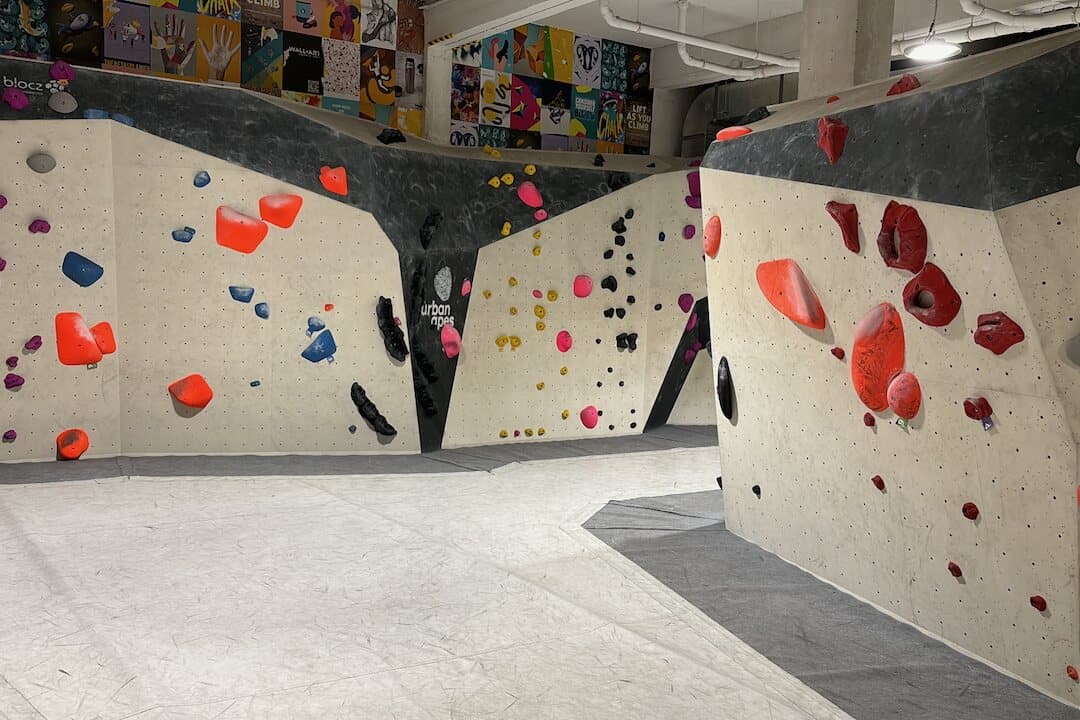
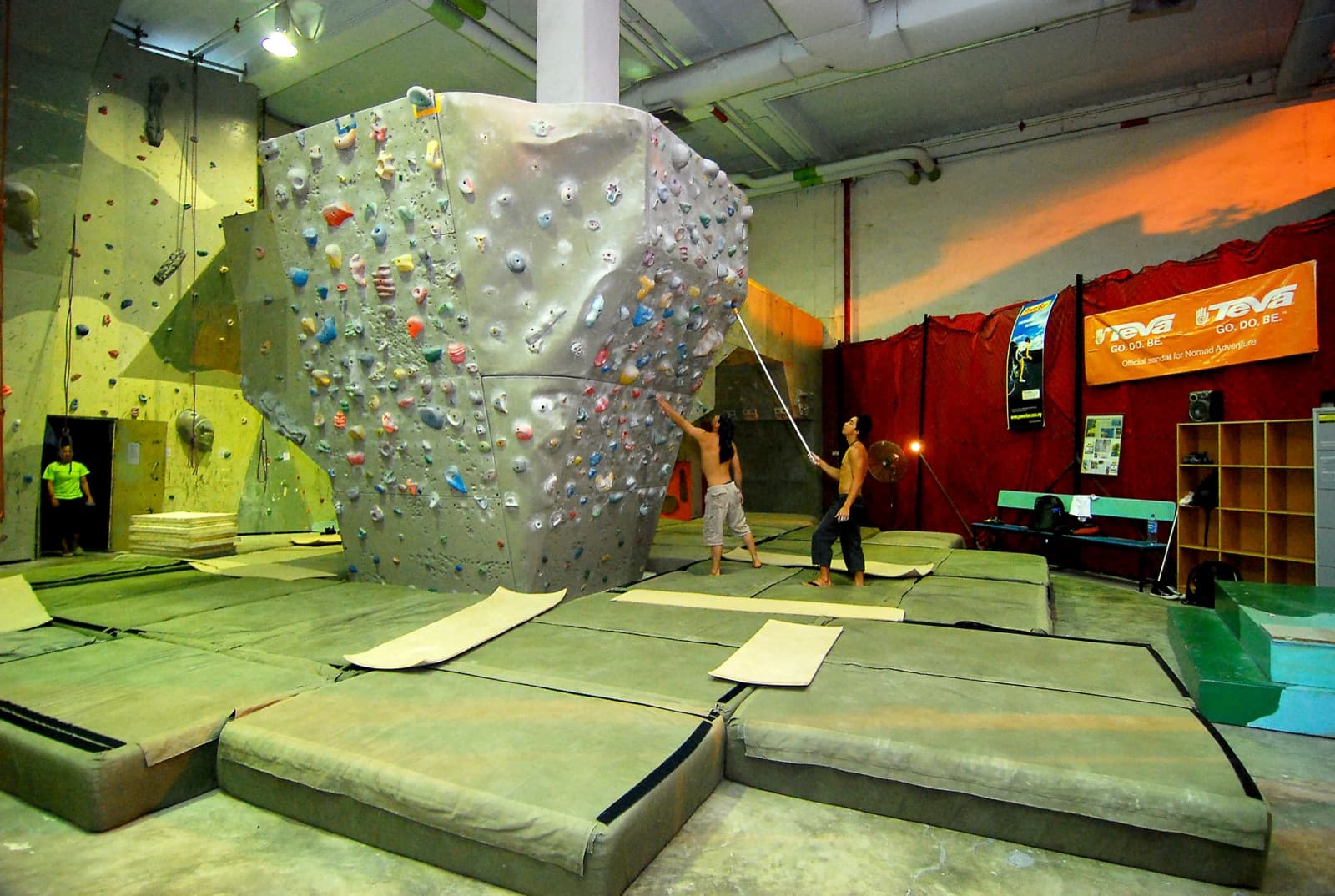
Bouldering is climbing short, powerful routes close to the ground without a rope. These routes are called problems. Instead of a harness and a belayer, you are protected by thick foam mats. Because the climbs are short, bouldering is really about solving a physical puzzle. You read the sequence of holds and work out the moves that get you to the top.
It is the most social and most accessible discipline in climbing. You can show up to a gym on your own, rent a pair of shoes, and be climbing within minutes.
The gear you actually need
One of the best things about bouldering is how little you need to start. For your first sessions at an indoor gym you only need a few things:
- Climbing shoes, which you can rent at every gym. Buy your own once you are hooked.
- Chalk and a chalk bag to keep your hands dry for grip. This is optional when you start out.
- Comfortable clothes you can move in. That is really all it takes.
Outdoors you will also want a crash pad and a friend to spot you, but indoors the gym takes care of the padding.
How bouldering grades work
Grades tell you how hard a problem is. Two systems dominate. The V scale (V0, V1, V2 and up) is used mainly in North America, and the Font scale (4, 5, 6A, 6B and up) is used across Europe. In both systems the climbing gets harder as the numbers go up. As a beginner you will start somewhere around V0 to V2, which is roughly Font 4 to 5, and progress from there.
Try not to fixate on the numbers early on. Grades are subjective and they vary between gyms, so focus on moving well rather than on the label. For the full picture, see how climbing grades work, or use our grade converter to translate a number between the V and Font scales.
Your first session: how to send
- Warm up on easy problems before you try anything hard. Your fingers and shoulders will thank you.
- Read the problem from the ground and plan which holds you will use before you leave the mat.
- Climb with your legs rather than your arms. Push up from your feet and keep your hips close to the wall.
- Learn to fall safely. Do not grab the wall on the way down, land on your feet, and roll back onto the pad.
- Rest between attempts. Bouldering is short and intense, so recovery is part of the sport.
How often should you go?
As a beginner, two or three sessions a week with a rest day in between beats climbing every single day. Your muscles bounce back quickly, but your fingers, tendons and skin need longer to catch up, and doing too much too soon is the most common way new climbers pick up a niggling finger injury. If your grip suddenly feels weak or your arms feel like jelly, that is a sign to rest rather than push through. You actually get stronger on the days off, not during the sessions.
Where to go next
The fastest way to improve is to climb often and to watch better climbers move. Once you feel comfortable you can add some hangboard basics, learn to read overhangs, and try bouldering outdoors on real rock. When you want to branch out, our guide to the different types of climbing shows how bouldering fits alongside sport, trad and the rest. And to keep up with what is happening across the climbing world, the Climbers Delight newsletter rounds up the best ascents, sends and stories every week.
Enjoyed this guide? Get the weekly briefing.
One curated email a week with the climbing news, sends and gear worth your time.
Free. Weekly. Unsubscribe anytime.