Climbing Terms and Slang, Explained
Every climbing gym has its own buzz of slang, and it can feel like everyone got a dictionary you missed. Here are the words you will hear most, in plain language, so you can follow along and join in.
Get the weekly climbing briefing
One curated email a week with the climbing news, sends and gear worth your time.
Free. Weekly. Unsubscribe anytime.
Words for the climb itself
These describe the routes and the moves you make on them.
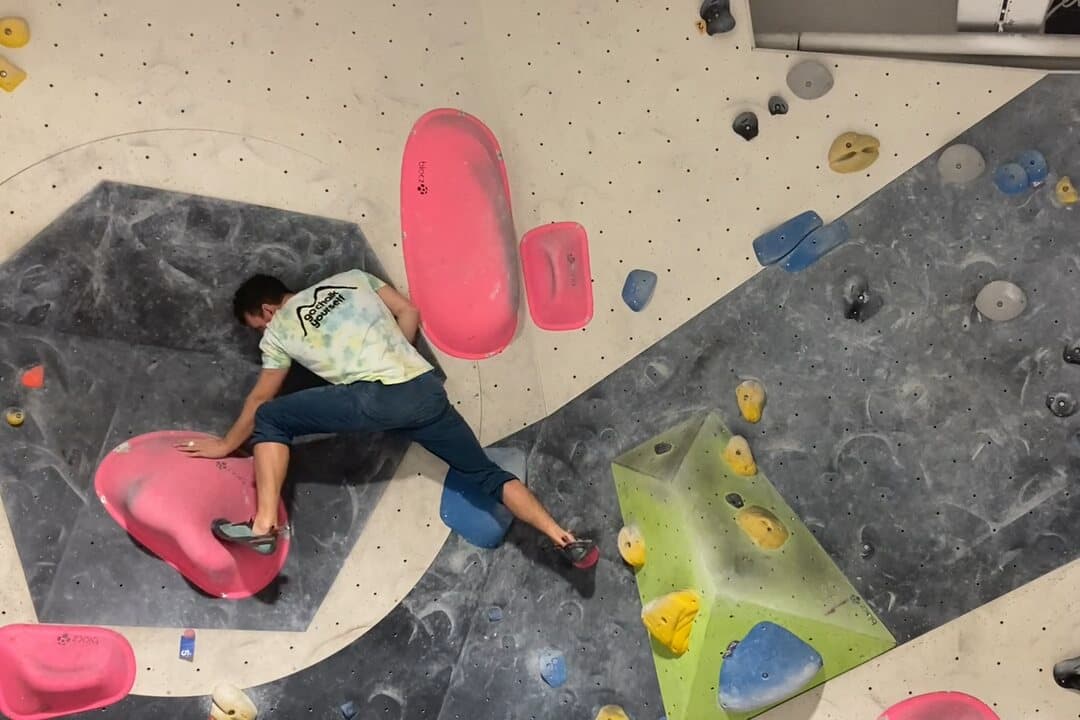
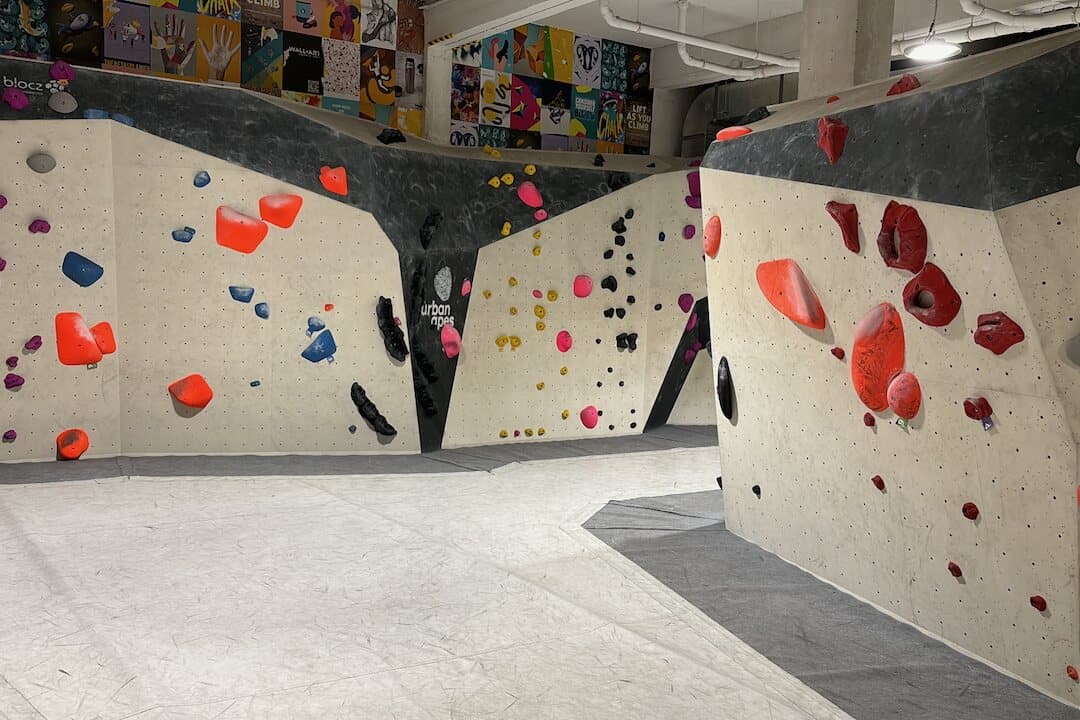
- Problem: a bouldering route, usually short and powerful.
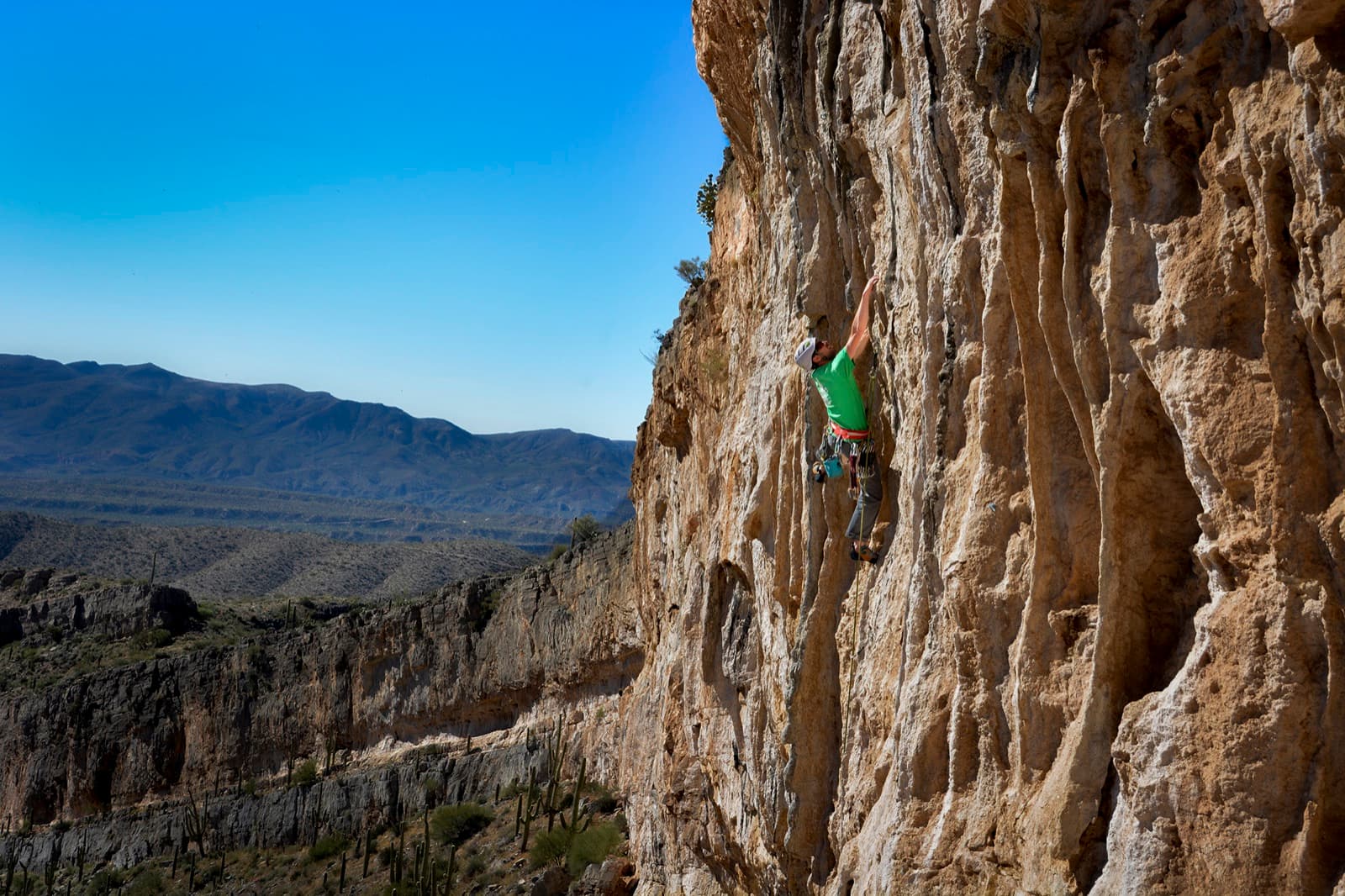
- Route: a longer roped climb from the bottom to an anchor.
- Crux: the hardest single section of a climb.
- Beta: information about how to do a climb, such as which holds to use.
- Send: to climb a route cleanly from bottom to top without falling.
- Project: a climb you work on over many sessions before you send it.
Words for how you climbed it
- On sight: sending a route on your first try with no prior information.
- Flash: sending on your first try, but with beta from watching or being told.
- Redpoint: sending a route cleanly after having practised it before.
- Pump: the burning, tired feeling in your forearms when they fill with blood.
- Whip: a big, dramatic fall on a rope.
Words for the holds and the wall
- Jug: a big, friendly hold you can wrap your whole hand around.
- Crimp: a small edge you hold with just your fingertips.
- Sloper: a rounded hold with no edge, held by friction and open hands.
- Pocket: a hold with a hole for one or two fingers.
- Overhang: a wall that leans out past vertical, which makes it harder.
- Slab: a wall that leans back, climbed more with balance than power.
Words for the gear and safety
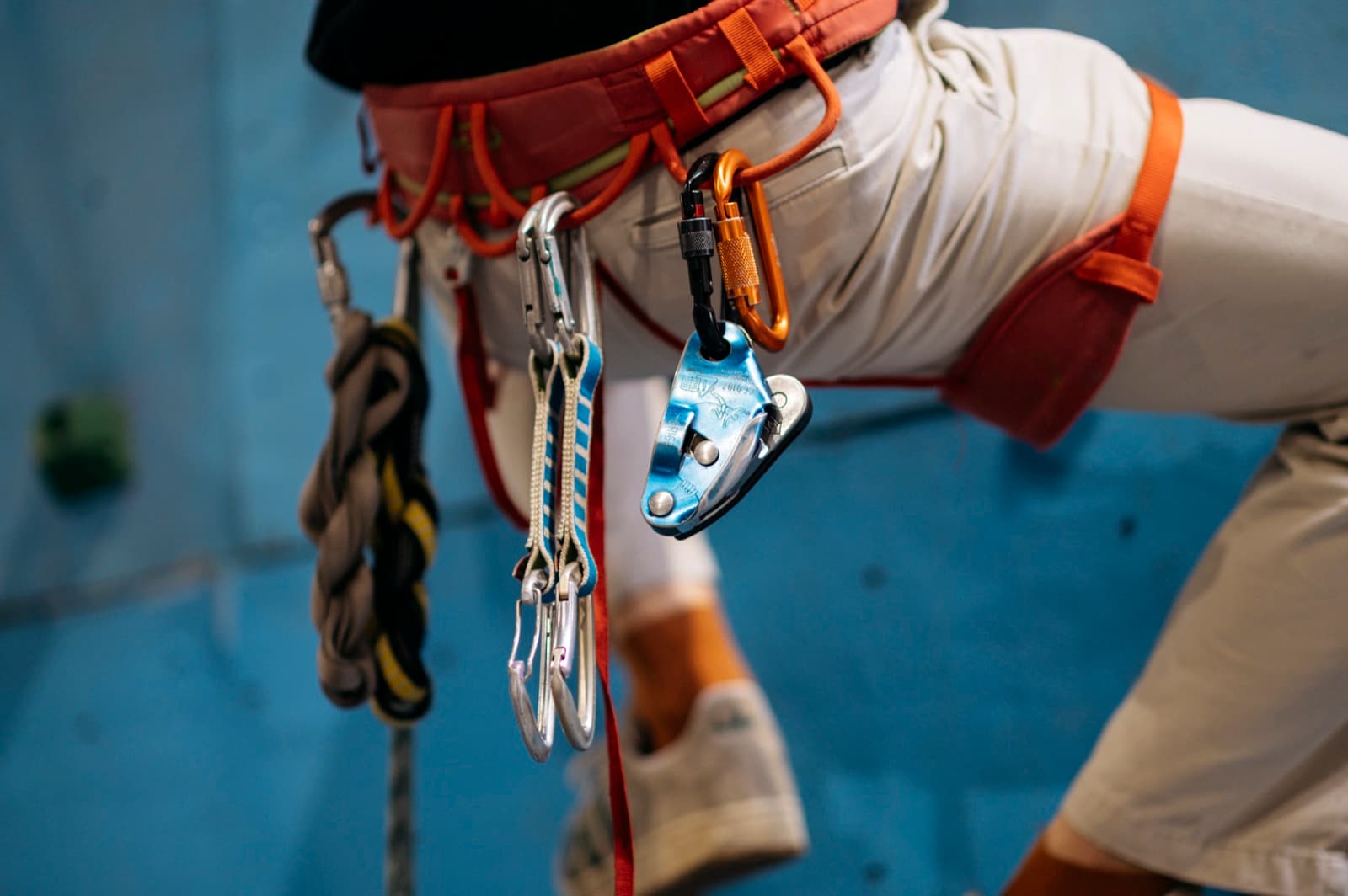
- Belay: managing the rope so a fall is caught safely.
- Quickdraw: two carabiners joined by webbing, used to clip the rope to bolts.
- Anchor: the fixed point at the top of a route that holds the rope.
- Take: a call that means hold my weight on the rope so I can rest.
- Send it: an encouraging shout that means go for it and commit.
The only rule that matters
Nobody expects you to know all of this on day one, and plenty of strong climbers still mix up the fancy words. Ask what a term means whenever you hear a new one. Climbers love to explain their sport. For more starting points see our guide to bouldering for beginners, and the Climbers Delight newsletter will have you talking like a local before long.
Enjoyed this guide? Get the weekly briefing.
One curated email a week with the climbing news, sends and gear worth your time.
Free. Weekly. Unsubscribe anytime.