How Climbing Grades Work: V Scale, Font, French and YDS Explained
Every climbing grade is really just a rough promise about how hard a climb will feel. Once you know how the main systems work, the numbers stop being mysterious and start being useful.
Get the weekly climbing briefing
One curated email a week with the climbing news, sends and gear worth your time.
Free. Weekly. Unsubscribe anytime.
Why grades exist
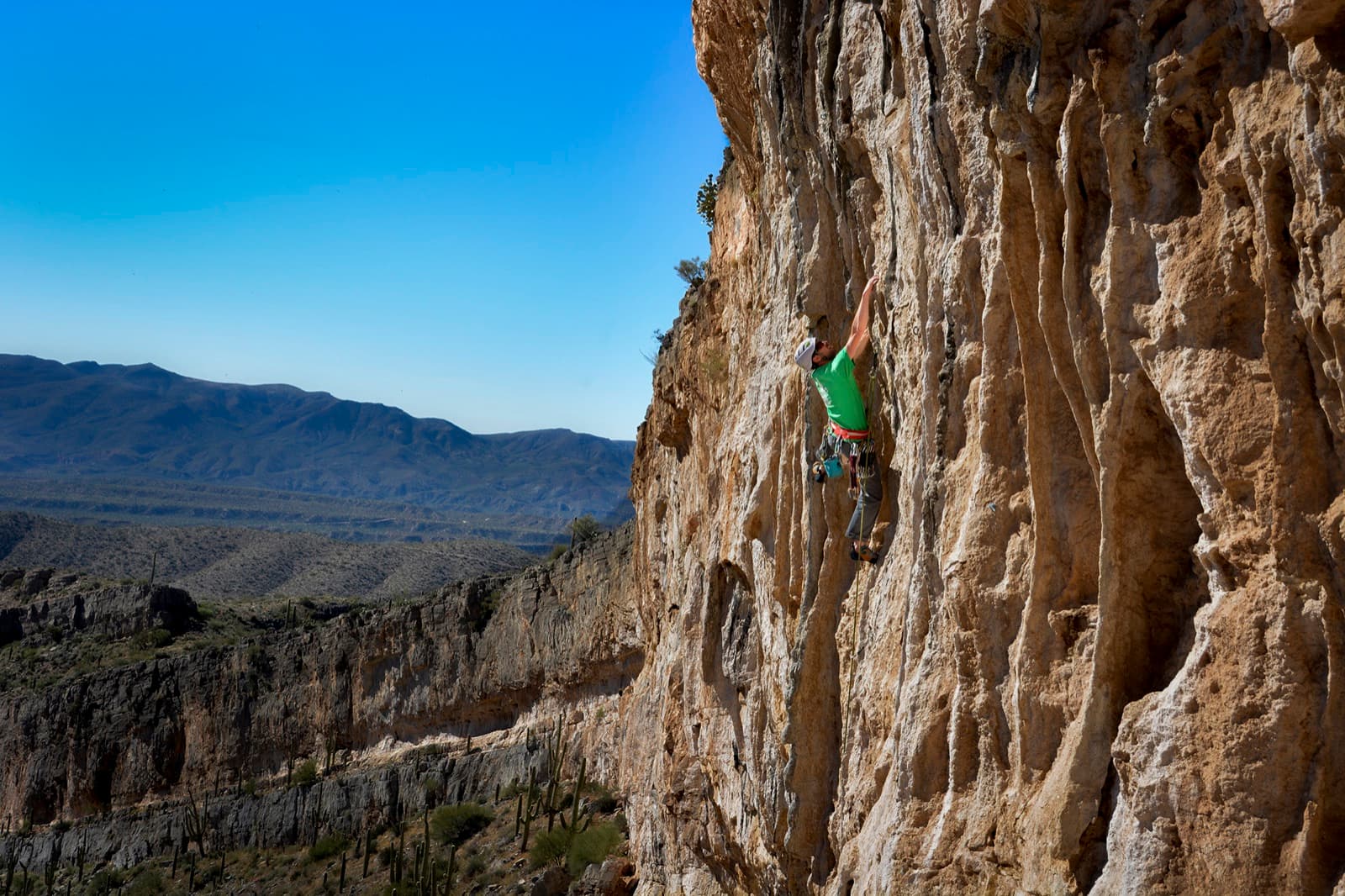
A grade is a shorthand for difficulty. It lets you pick climbs that match your level, track your progress over time, and talk to other climbers about a route without describing every single move. No grade is an exact science. They are set by people, they carry a bit of local character, and they shift a little from gym to gym and crag to crag.
Bouldering grades: the V scale and Font
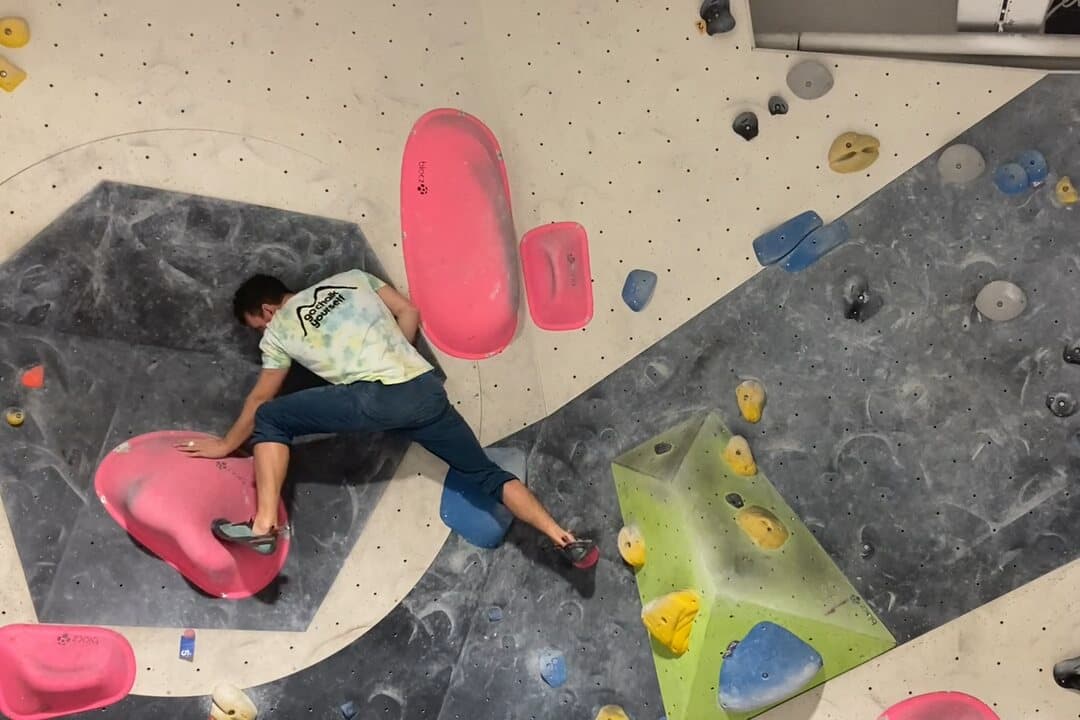
Bouldering uses two main systems. The V scale runs V0, V1, V2 and upward and is common in North America. The Font scale, named after Fontainebleau in France, runs 4, 5, 6A, 6B, 6C, 7A and upward and is common across Europe. Both get harder as the numbers rise, and the two roughly line up, so a V4 sits close to a Font 6B.
As a beginner you will spend your first months somewhere between V0 and V3, which is around Font 4 to 6A. Progress there is fast and motivating, so enjoy it.
Roped climbing grades: French and YDS
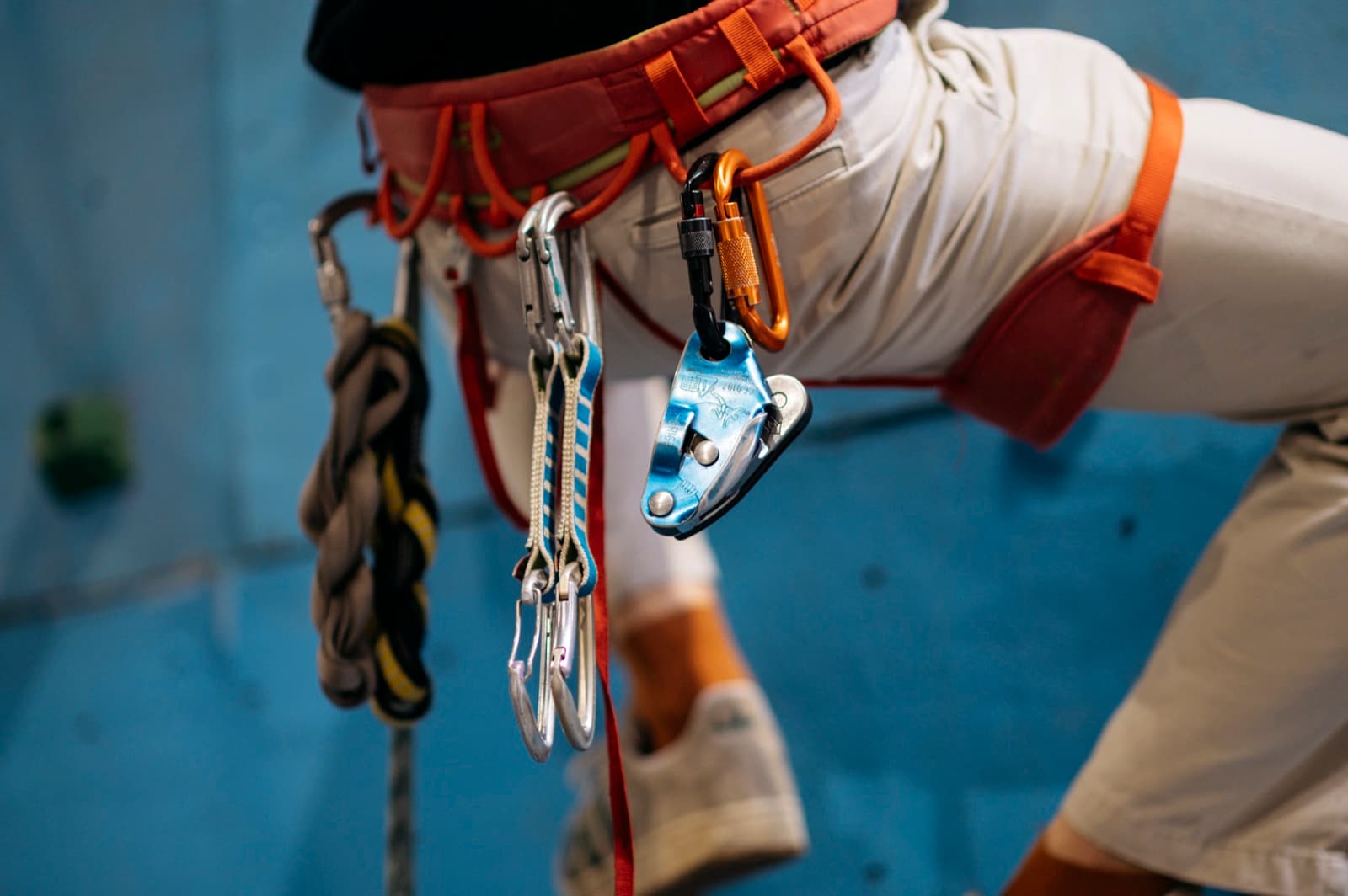
Sport and trad climbs, the ones you climb on a rope, use a different set of numbers. The French system runs 4, 5, 6a, 6b, 6c, 7a and upward, with a, b and c steps inside each number. In the United States the Yosemite Decimal System is used instead, where climbing grades start at 5.0 and run up through 5.9, 5.10, 5.11 and beyond, with letter steps from 5.10a onward.
So a route might be graded 6a in France and about 5.10 in the United States. The numbers look nothing alike, but they describe the same difficulty. One thing the number never shows is how a route protects: a trad route can feel far more serious than a sport route of the same grade, which our guide on trad vs sport climbing explains.
A quick comparison
- Bouldering in North America: V0, V1, V2 and up.
- Bouldering in Europe: Font 4, 5, 6A, 6B and up.
- Roped climbing in most of Europe: French 4, 5, 6a, 6b and up.
- Roped climbing in the United States: YDS 5.6, 5.9, 5.10, 5.11 and up.
Gym colours and levels
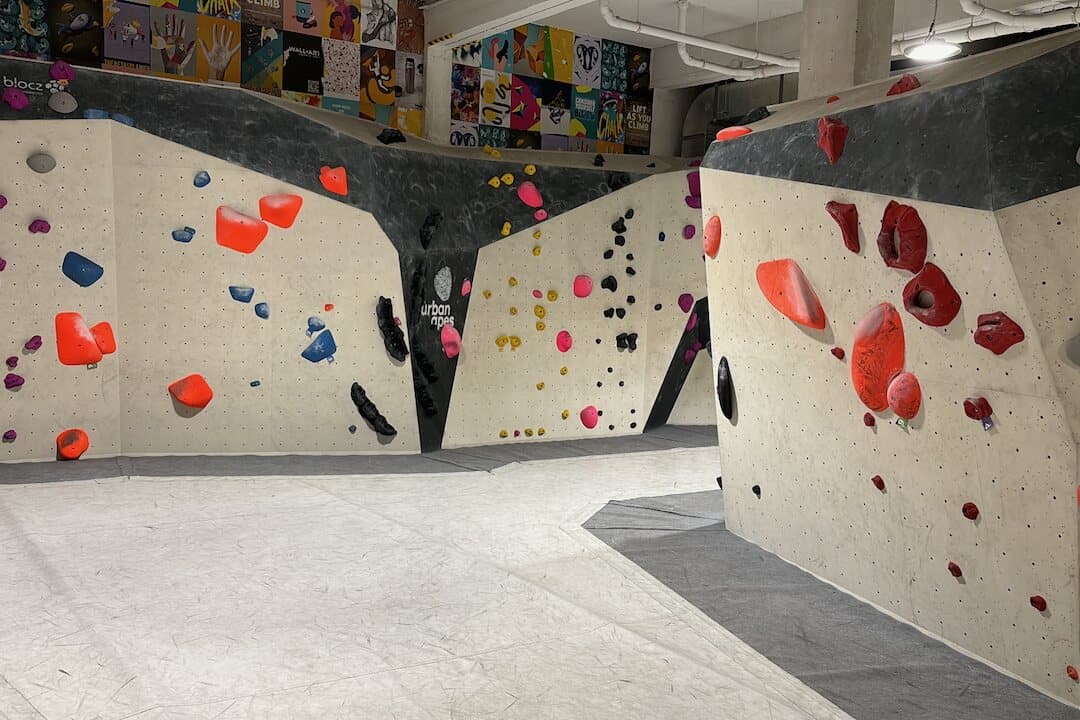
Many gyms skip all of these and grade with their own colours or levels instead, for example 1 to 8. There is no standard for that. A level usually covers a range of Font or V grades rather than one exact number, and it only holds inside that one gym. Some gyms publish how their levels convert: Boulderwelt in Germany, for instance, runs levels 1 to 9, and its level 5 means Font 6A to 6A+. Many others publish nothing at all.
I am collecting these gym conversions, sorted by country and city, in a list of gym scales. If your gym posts a table, or you have one for another scale, send it to stephan@climbersdelight.de. A photo is fine.
How to actually use grades
- Treat a grade as a range, not a verdict. Two climbs at the same grade can feel very different.
- Compare within one gym or crag first. Grades drift between places.
- Chase good movement, not just the next number. Your style will improve faster than your grades.
To convert a specific grade between systems, try our climbing grade converter. If you are brand new to all of this, our guide on bouldering for beginners walks you through your very first session. And the Climbers Delight newsletter is a friendly way to see what climbers are sending at every grade each week.
Enjoyed this guide? Get the weekly briefing.
One curated email a week with the climbing news, sends and gear worth your time.
Free. Weekly. Unsubscribe anytime.