Your First Time at a Climbing Gym: What to Expect
Walking into a climbing gym for the first time can feel intimidating, but it is genuinely one of the most welcoming places to start a sport. Here is what actually happens on a first visit, so nothing catches you off guard and you can just enjoy it.
Do you need to book, or just show up?
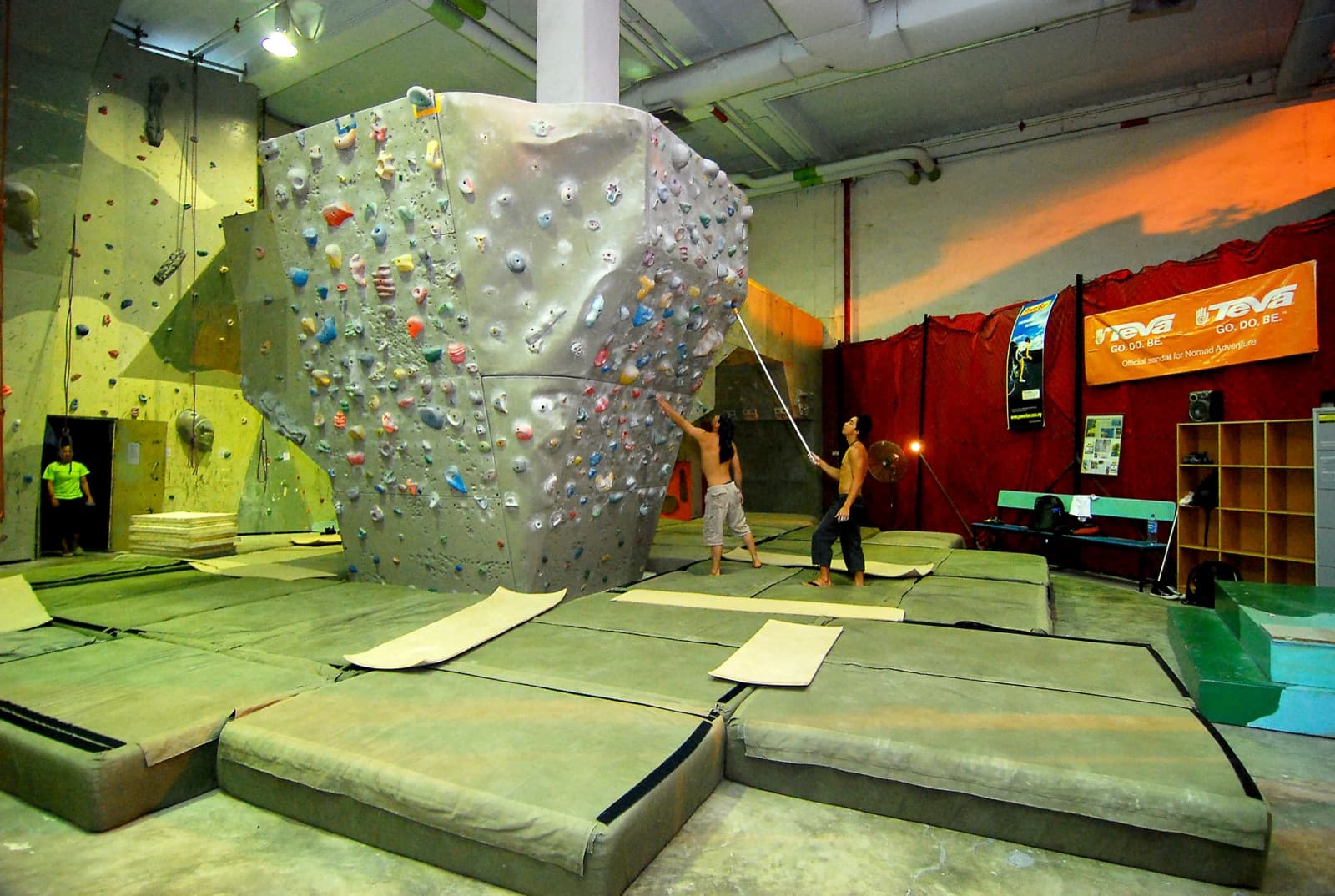
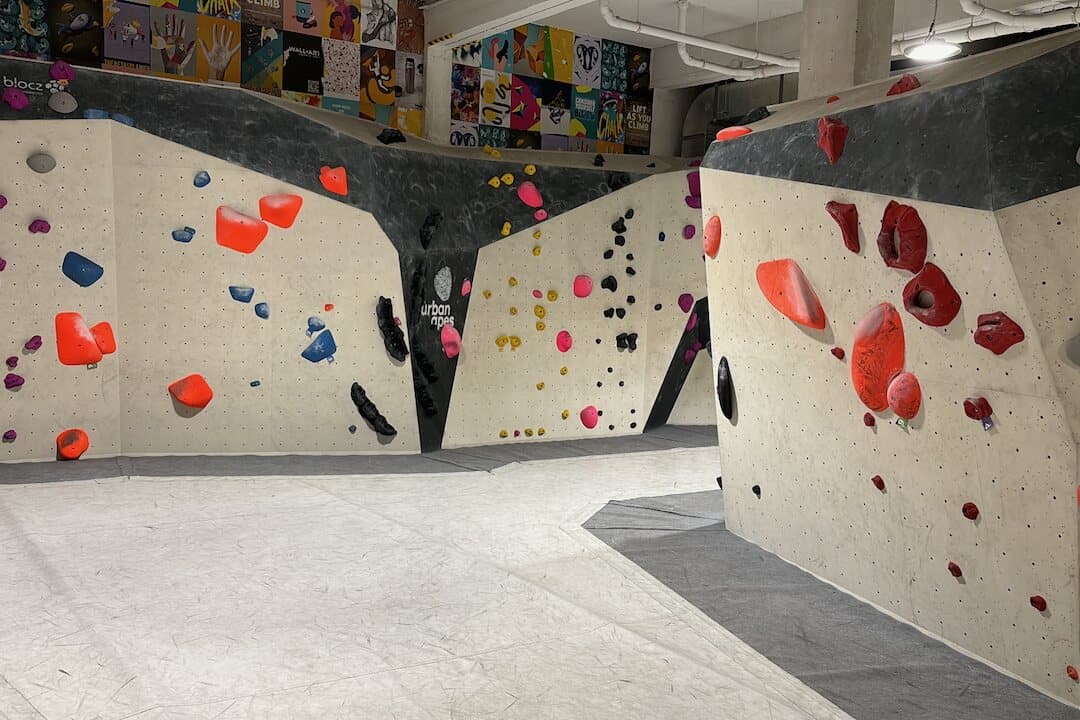
Most gyms let you walk in, but a few things are worth checking on their website first. Busy evenings can be crowded, some gyms ask first-timers to book a short intro session, and rope climbing often requires a booked belay lesson before you are allowed on the ropes. Bouldering, which is climbing without a rope over thick mats, usually needs no booking at all. If in doubt, a quick look at their site or a phone call saves you a wasted trip.
Checking in: waiver, intro and rentals
At the desk you will sign a waiver, which every gym requires, and pay a day pass. If it is your first time, staff will usually give you a short safety briefing, especially for anything involving a rope. Then you rent shoes, and optionally a chalk bag. That is really all you need to start bouldering. For rope climbing you may also rent a harness and go through a proper belay check or lesson first.
What to bring, and what you do not need
You need far less than you think. Comfortable clothes you can move and high-step in, a water bottle, and that is basically it. You do not need to buy any gear before your first visit, the gym rents everything. For the full picture of what each piece of kit does and when you actually need it, see our essential gear checklist, and if you are unsure about clothing, what to wear climbing covers it.
Bouldering or ropes on your first visit?
For almost everyone, start with bouldering. It needs no partner, no belay skills and no gear beyond shoes, so you can just climb. Rope climbing is great too, but it requires learning to belay and usually a lesson or a check first, so it is a bit more of a process. If you are not sure how the styles differ, types of climbing explained lays them out.
Your first hour: what to actually do
Warm up on the easiest problems first, do not jump straight onto the hard-looking ones. Routes are colour coded by difficulty, so find the easiest colour and start there. Climb a few, rest properly between tries, and watch how more experienced climbers move, that is half the learning. Do not chase grades or compare yourself to anyone. A gentle warm-up matters more than you would guess, our guide on how to warm up for climbing has a simple routine, and how climbing grades work explains the colours and numbers.
A few unwritten rules
A couple of things keep everyone safe and happy: do not walk or sit under someone who is climbing, wait your turn on a problem rather than crowding it, and keep your gear and chalk out of the walkways. None of it is complicated, and staff are happy to point you right. Our climbing gym etiquette guide covers the rest.
It is normal to feel out of place
Everyone in that gym was a nervous beginner once, and most climbers genuinely love seeing new people start. Ask questions, ask staff how a problem goes, ask the person next to you. Nobody is judging your grade, they are all focused on their own climbing. The awkward-first-visit feeling fades fast, usually by the end of the same session.
When you are ready to go a little deeper, bouldering for beginners is the natural next read, and the Climbers Delight newsletter keeps the tips and stories coming each week as you find your feet.
Enjoyed this guide? Get the weekly briefing.
One curated email a week with the climbing news, sends and gear worth your time.
Free. Weekly. Unsubscribe anytime.